
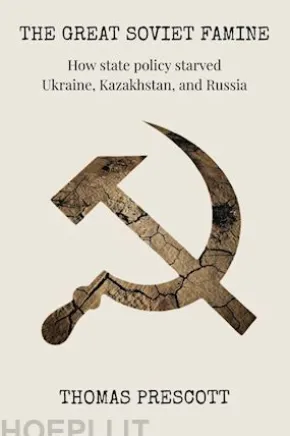
The Great Soviet Famine
€3.39
Compatibilità
- Computer
- Android
- Ebook Reader
- iPhone/iPad”
- Kindle
Dettagli
Genere:E-book EPUB
Lingua: Inglese
Editore:
Diogenes Global Press
Pubblicazione: 04/2026
Trama
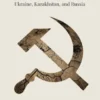
“The famine was not Ukrainian, Kazakh, or Russian alone. It was Soviet—and its victims deserve to be remembered together.”In the early 1930s, a man-made catastrophe of staggering proportions swept across the Soviet Union, claiming millions of lives through a lethal combination of forced collectivization and impossible grain quotas. InThe Great Soviet Famine, Thomas Prescott provides a forensic, archival, and sober re-examination of this regional disaster, arguing that while theHolodomorin Ukraine was a unique horror, it was part of a larger, systemic crime that devastated Kazakhstan and Russia. This is the first comprehensive study to restore the full geography of the crime, moving beyond nationalist frames to reveal the shared state logic that fueled the starvation.
Moving with the analytical sweep ofBloodlandsand the archival depth of Stephen Kotkin, Prescott explores the “Impossible Math” of Soviet food policy. He investigates why Ukraine suffered uniquely severe political repression, resulting in roughly3.9 million deaths, while also shedding light on the “Asharshylyk” in Kazakhstan—the forgotten catastrophe that saw the highest proportional loss in the union, with30% to 40% of ethnic Kazakhsperishing. The book also recovers the silenced history of millions of Russian victims in the Volga and North Caucasus, explaining how their suffering was later erased to maintain the center’s political mythmaking.
The Great Soviet Famineis a vital roadmap for anyone seeking clarity amidst the competing narratives of modern geopolitics. Prescott analyzes the weaponization of history and the moral claims of the present, proposing that expanding our lens to include all victims does not diminish any single tragedy—it restores them all. By tracing the shared suffering and responsibility of the Soviet system, this investigation proves that the famine followed state logic, not ethnic borders. This is an essential inquiry for those ready to confront the full, harrowing truth of a hunger that crossed borders.
Moving with the analytical sweep ofBloodlandsand the archival depth of Stephen Kotkin, Prescott explores the “Impossible Math” of Soviet food policy. He investigates why Ukraine suffered uniquely severe political repression, resulting in roughly3.9 million deaths, while also shedding light on the “Asharshylyk” in Kazakhstan—the forgotten catastrophe that saw the highest proportional loss in the union, with30% to 40% of ethnic Kazakhsperishing. The book also recovers the silenced history of millions of Russian victims in the Volga and North Caucasus, explaining how their suffering was later erased to maintain the center’s political mythmaking.
The Great Soviet Famineis a vital roadmap for anyone seeking clarity amidst the competing narratives of modern geopolitics. Prescott analyzes the weaponization of history and the moral claims of the present, proposing that expanding our lens to include all victims does not diminish any single tragedy—it restores them all. By tracing the shared suffering and responsibility of the Soviet system, this investigation proves that the famine followed state logic, not ethnic borders. This is an essential inquiry for those ready to confront the full, harrowing truth of a hunger that crossed borders.
Be the first to review “The Great Soviet Famine”
Related products

€7.64
Ebook
€18.61

Cucina
€5.01
€7.56

Cucina
€4.24

Ebook
€10.96

Cucina
€5.01

€3.39

Cucina
€2.54

Ebook
€6.71
€16.91
€6.79

Ebook
€0.84

€1.61

Ebook
€5.09
Ebook
€10.96
Reviews
There are no reviews yet.